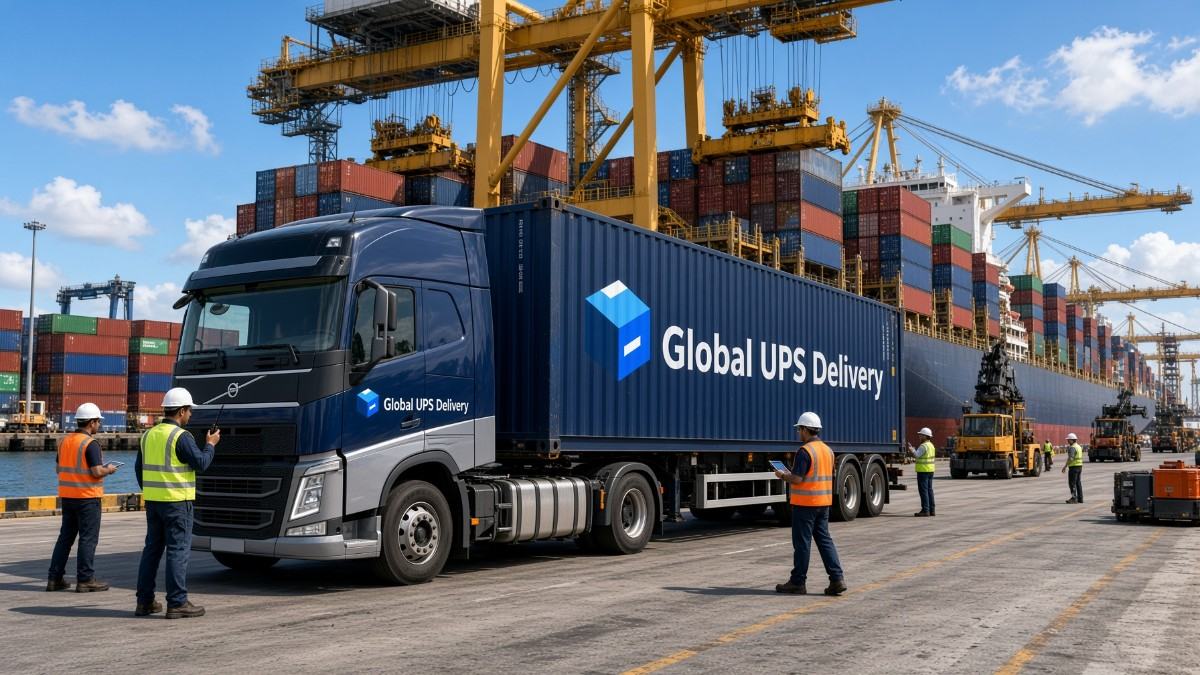
Amidst rising environmental reporting standards and corporate ESG commitments, industrial shippers are re-evaluating the role of rail in their freight portfolios. Intermodal rail corridors connecting major sea ports, continental inland dry ports, and national manufacturing clusters are proving that sustainability and cost efficiency can go hand in hand.
The Ecological and Economic Mathematics of Rail Freight
A single intermodal freight train can replace hundreds of long-haul heavy-goods vehicles on congested highway arteries. On average, moving freight by rail produces up to 75% fewer greenhouse gas emissions compared to highway trucking over identical distances, while offering predictable scheduling unaffected by traffic bottlenecks.
With the steady electrification of major transit rail corridors across Europe and Asia, the carbon footprint of intercontinental groupage rail freight is decreasing further each quarter.
Overcoming First-and-Last-Mile Challenges
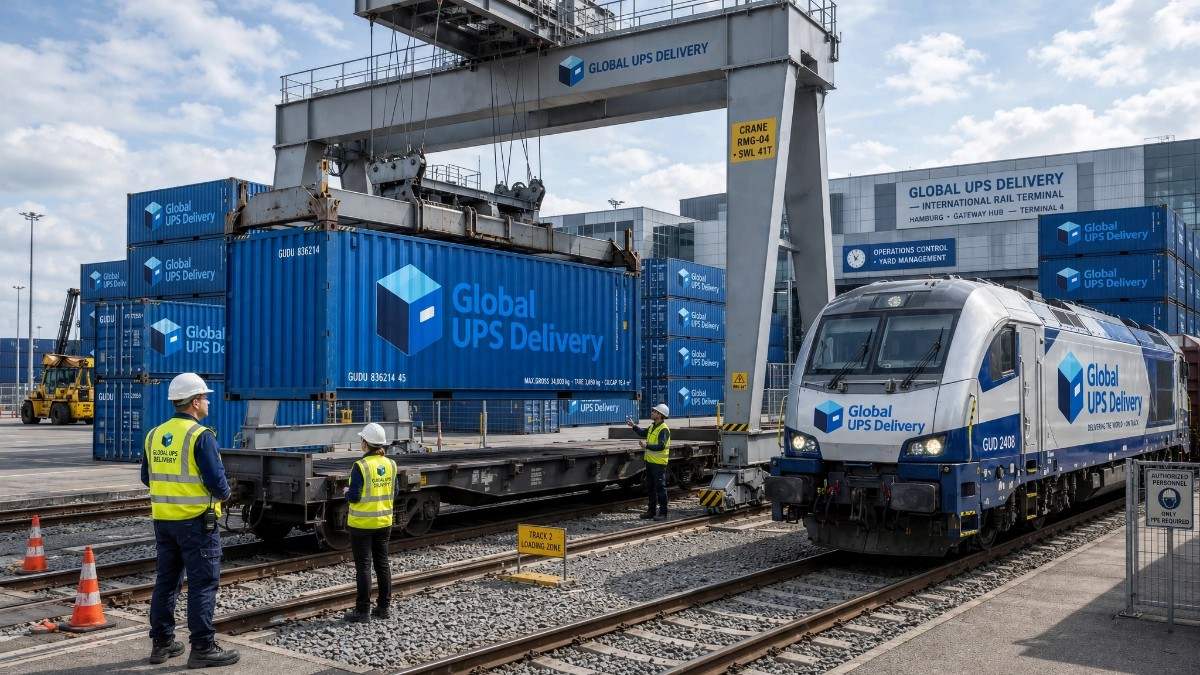
Historically, the primary barrier to rail adoption was the complexity of intermodal transfers at each end of the line. The development of modern automated rail terminals equipped with high-speed gantry cranes and optical container recognition has eliminated terminal friction.
Standardized intermodal containers are transferred between road chassis, rail flatcars, and barges within minutes. Combined with GPS equipped rail telematics, shippers receive continuous location and vibration updates just as they would with dedicated highway vehicles.
Key Considerations for Transitioning to Rail
- Evaluate non-perishable and high-volume freight lanes exceeding 500 kilometers.
- Partner with multi-modal logistics providers offering integrated drayage and road last-mile connection.
- Leverage intermodal carbon offset calculations to demonstrate verifiable emissions reductions to key enterprise stakeholders.
Related Articles