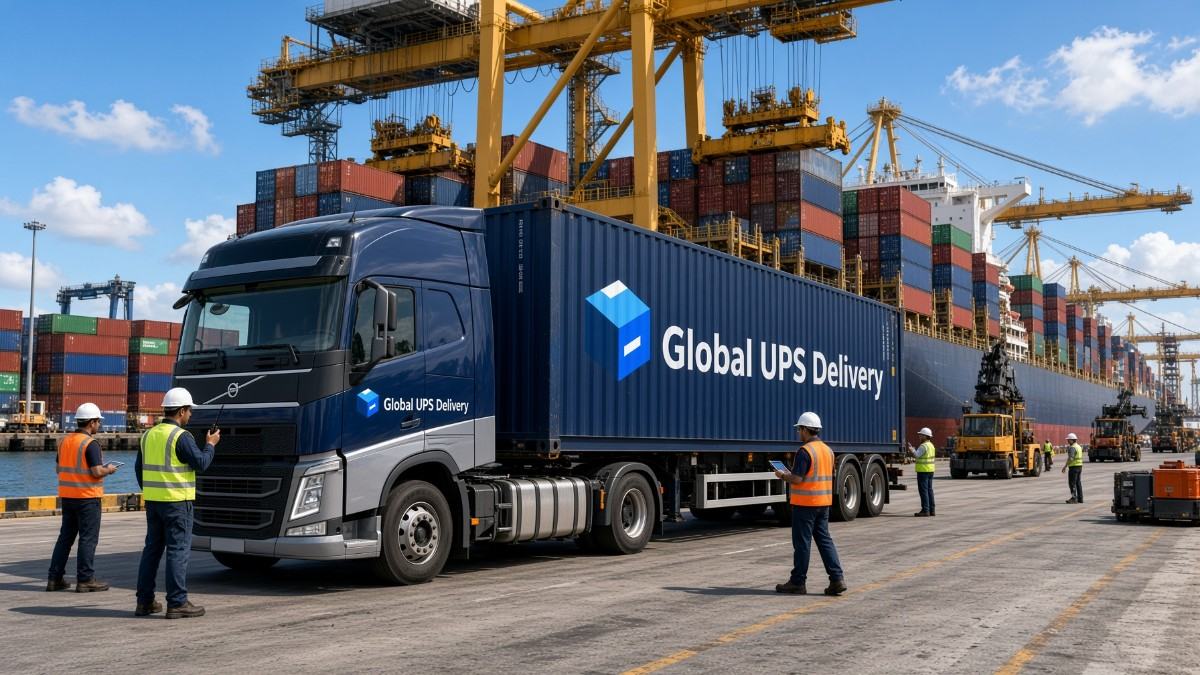
As climate targets tighten across global markets, the road freight sector faces mounting pressure to reduce its carbon footprint. Decarbonizing fleet operations is no longer purely an ethical imperative, it is becoming a core business strategy that drives cost savings, regulatory compliance, and customer trust.
Electric and Hydrogen-Powered Commercial Vehicles
Major truck manufacturers are accelerating the rollout of battery-electric (BEV) and hydrogen fuel-cell (FCEV) heavy goods vehicles. Range improvements and expanding public charging and fueling networks are now making zero-emission long-haul freight commercially viable for high-mileage routes.
Route Optimization and Telematics
Fleet management platforms leveraging real-time GPS telemetry, traffic analytics, and predictive load-planning tools can significantly reduce idle fuel consumption, unnecessary mileage, and empty return journeys. Smart routing algorithms reduce fleet emissions per delivered tonne-kilometre.
Intermodal Freight Solutions
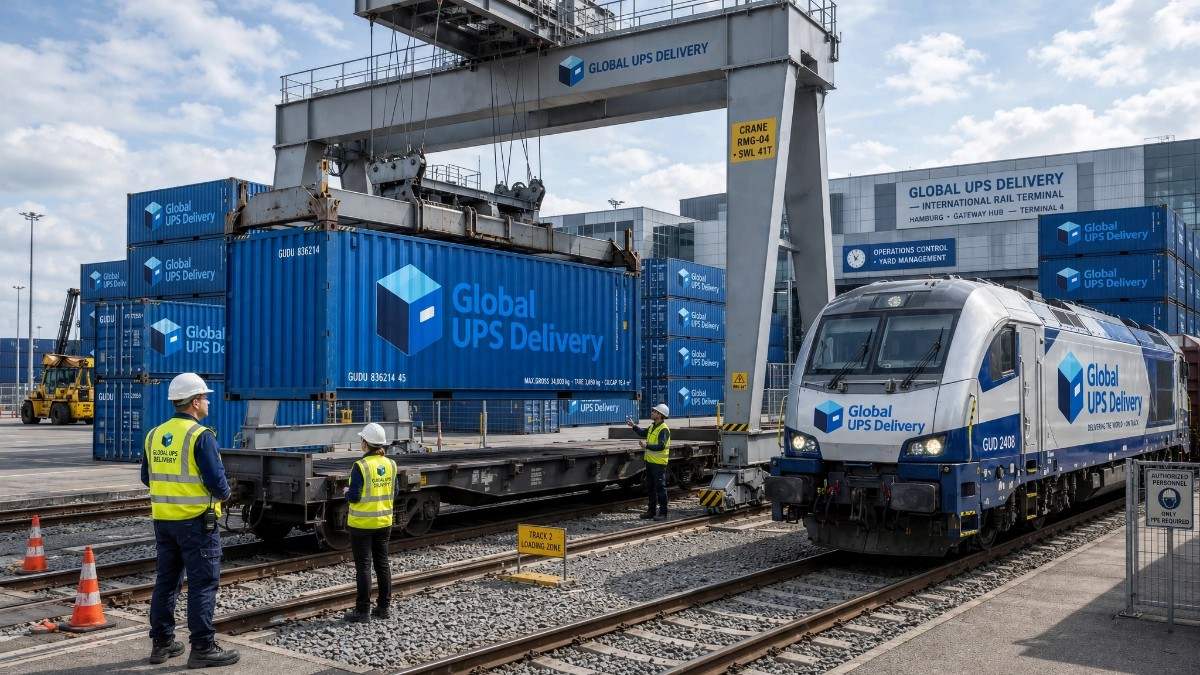
Combining road transport with lower-emission rail or coastal shipping legs reduces the carbon intensity of long haul freight corridors. Strategically positioning intermodal transfer terminals near major freight hubs enables seamless cargo transfer between transport modes.
The transition to sustainable fleet operations represents a significant investment, but enterprises that lead on decarbonization will benefit from preferred vendor status with ESG-conscious buyers and access to green financing instruments.

Related Articles