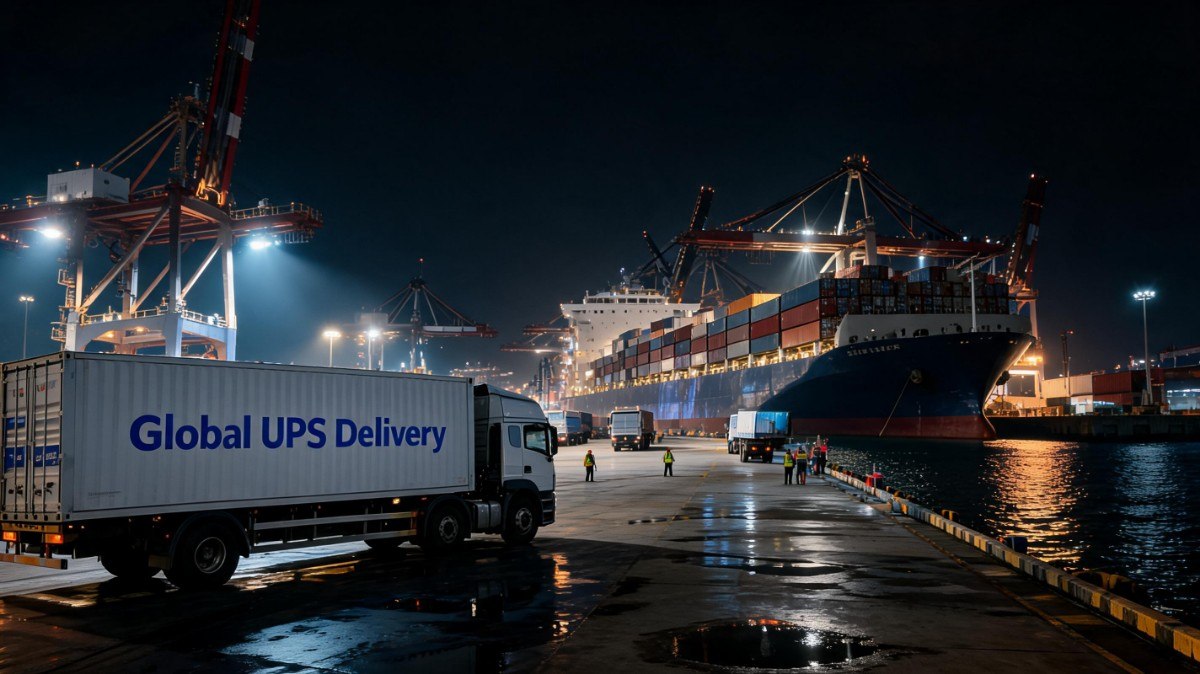
The last five years have permanently dismantled the illusion of predictable, single-mode logistics networks. Between geopolitical choke points, maritime canal bottlenecks, volatile fuel markets, and unexpected extreme weather events, supply chain leaders have recognized that resilience cannot be achieved through cost-cutting alone.
The New Standard: Multi-Modal Logistics Architecture
Leading global manufacturers and retailers are transitioning from static, point-to-point supply lines to agile multi-modal networks. By establishing pre-negotiated freight agreements spanning maritime routes, transcontinental rail corridors, highway networks, and priority air charters, companies can seamlessly re-route cargo when primary pathways encounter friction.
For example, when maritime congestion increases transit times across crucial maritime straits, hybrid Sea-Air and Rail-Road solutions allow urgent inventory to be diverted onto high-speed rail or regional air bridges without rewriting the entire logistics contract.
Real-Time Visibility as a Strategic Buffer
The foundation of modern multi-modal adaptability is unified visibility. Fragmented logistics data—where each carrier uses distinct tracking portals—leaves supply chain managers blind to emerging delays until products fail to arrive.
Unified supply chain command centers aggregate telematics, customs checkpoint milestones, and carrier status feeds into a single glass-cockpit view. Machine learning algorithms analyze live traffic, port crane productivity, and weather models to suggest optimal diversion routes before bottlenecks materialize.
Practical Steps to Diversify Your Transportation Matrix
- Identify the single-point failures within your tier-one supplier routes.
- Establish dual-sourcing and secondary transport routing contingencies.
- Deploy automated exception management systems that flag deviations early, granting your logistics team sufficient lead time to execute alternative delivery protocols.