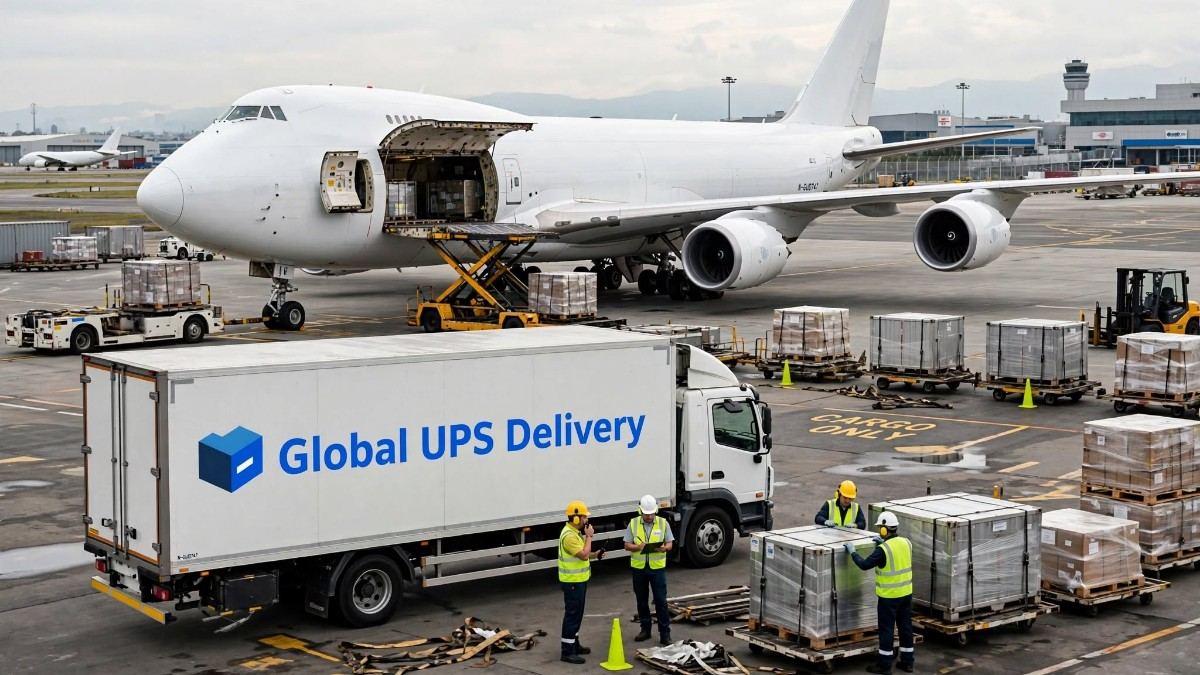
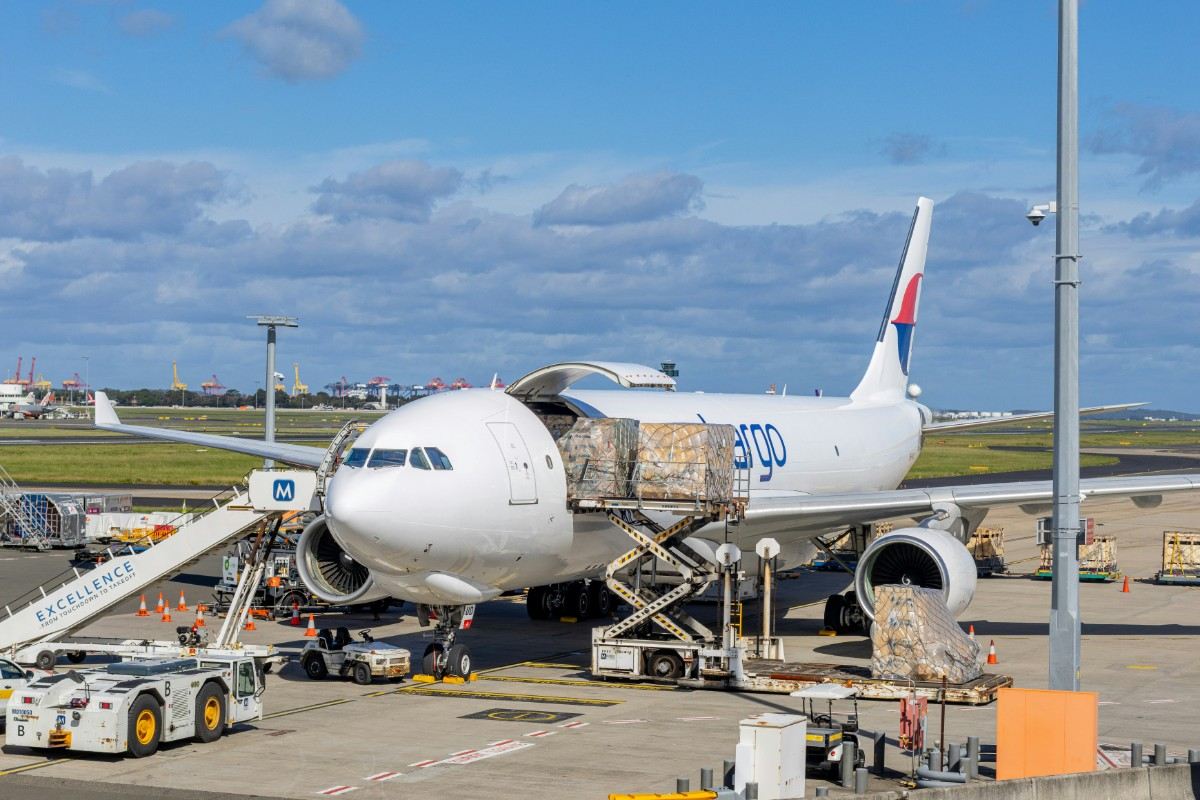
As global supply chains demand increasingly rapid turnaround cycles, the air cargo sector is undergoing its most profound technological transformation in decades. The convergence of IoT telematics, artificial intelligence, and smart aviation infrastructure is ushering in an era of unprecedented visibility and operational efficiency across continental transit corridors.
The Rise of Autonomous Tracking and Telemetry
Traditional air freight operations have long relied on periodic barcode scans at discrete interchange points from cargo acceptance at the origin terminal to airside buildup, departure, arrival, and deconsolidation. Today, passive RFID and active BLE (Bluetooth Low Energy) sensor tags continuously transmit live temperature, humidity, shock, and barometric pressure data to cloud-based control towers.
For life sciences, biopharmaceuticals, and sensitive aerospace components, this real-time telemetry ensures cargo integrity is verified continuously rather than discovered compromised upon delivery. Immediate automated alerts notify ground handling teams if a thermal blanket requires inspection or if a container deviates from its designated temperature threshold.
Predictive Capacity and Route Optimization
Airlines and dedicated cargo operators are now leveraging machine learning models to forecast freight demand with greater accuracy than ever before. By analyzing historical booking patterns, global trade fluctuations, seasonal agricultural yields, and macroeconomic shifts, carriers can dynamically calibrate belly-hold capacity and dedicated freighter networks.
Moreover, AI algorithms optimize pallet stowage plans and aircraft load distribution within seconds balancing weight, center of gravity, and dangerous goods segregation requirements while maximizing fuel efficiency and reducing flight carbon emissions.
Looking Ahead: The Digital Air Waybill and Beyond
The International Air Transport Association's (IATA) ONE Record data model is accelerating end-to-end data sharing across airlines, freight forwarders, ground handlers, and customs authorities. By replacing fragmented paper and legacy EDI messages with secure, standardized API data pipelines, global air freight is positioning itself to be faster, cleaner, and more resilient than ever before.

Related Articles