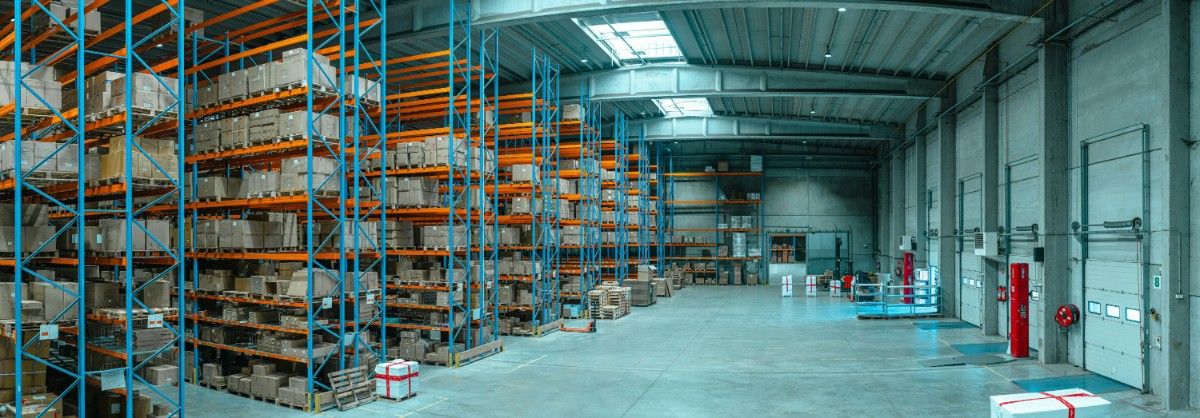
The modern warehouse has evolved from a passive storage space into an active, high-speed engine that drives e-commerce growth and corporate logistics. As consumer expectations for rapid dispatch accelerate, optimizing warehouse infrastructure and inventory management is vital for maintaining a competitive edge.
Strategic Hub Positioning and Cross Docking
Locating distribution hubs near major sea ports, airports, and primary highway networks reduces transit time for both incoming freight and outbound last-mile deliveries. Implementing cross-docking workflows allows high-demand cargo to move directly from inbound trailers to outbound delivery vehicles, significantly cutting storage fees and handling delays.
Automated Warehouse Management Systems (WMS)
Deploying advanced WMS platforms provides real-time stock visibility across all fulfillment centers. Automated barcode scanning, item-level telemetry, and intelligent bin location strategies minimize human error, accelerate pick-and-pack times, and streamline stock rotation routines such as FIFO (First-In, First-Out).
Scalable Kitting and Seasonal Capacity
Modern fulfillment networks must adapt dynamically to volume surges. Custom kitting, tailored packaging, and flexible bulk pallet storage agreements empower businesses to expand inventory levels during peak shopping seasons without incurring permanent real estate overheads.
By investing in automated fulfillment architecture and strategic storage hubs, enterprises can ensure continuous stock availability, reduce order processing costs, and deliver an exceptional customer experience.

Related Articles